Checklist for events: Success from start to finish
Checklist for events: Success from start to finish
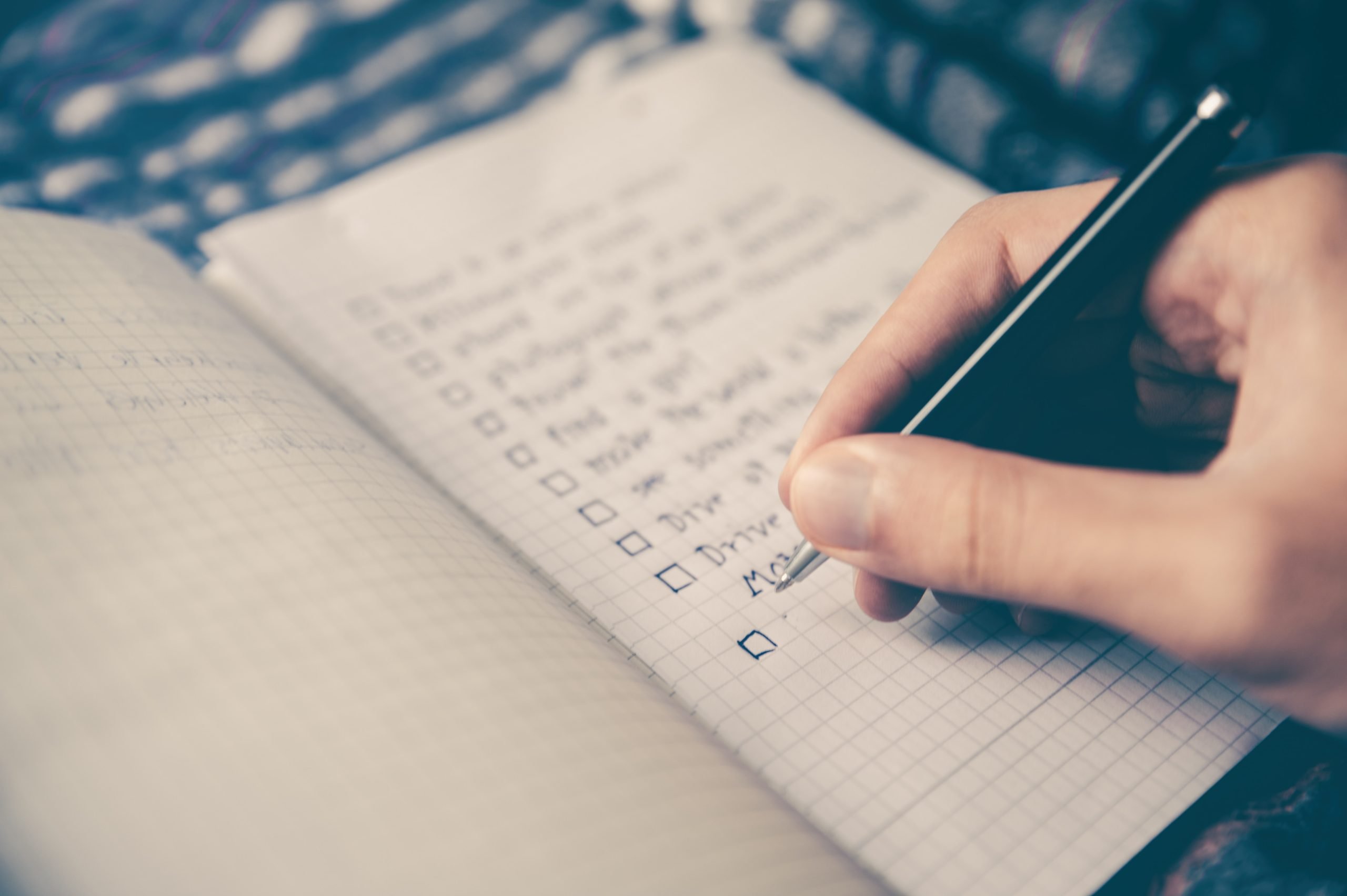
The sheer volume of tasks involved in organizing and running an event can be quite intimidating. That’s why it’s important for you to know which tools can contribute to a successful event and significantly simplify your work. For this, we recommend working with a checklist.

Why do I need a checklist?
In short: A checklist provides structure, saves time, improves communication, supports risk management, and contributes to professionalism.
Additionally, checking off completed tasks gives you a sense of accomplishment while keeping track of what still needs to be done. This enables you to monitor and document workflows.
Overall, a well-thought-out checklist can help ensure that your event runs smoothly and successfully from start to finish.
Customizable checklist template for event organization
Note: The individual tasks and processes can vary greatly depending on the event. That’s why it’s essential that you carefully consider in advance which processes or work tasks are important for your event. The checklist provided is just an example. Adjust the checklist to suit your needs whenever necessary.
1. Schedule/Program
- Determine event date
- Decide on event location
- Define event duration: with/without overnight stay, half-day, full-day
- Budget planning: Does the planned event align with your budget?
- Determine program content: define type of activity, dinner, etc.
- Create a detailed schedule: include buffer times
- Communicate the schedule to all participants: determine communication channels
- Select participants: take participants’ requirements into account during planning
Events Team OUTDOOR
For corporate events, team experiences, business outings, and customer or employee occasions, we go beyond conventional events.
With over two decades of experience in organizing outdoor adventures, we are professionals ready to provide you with unforgettable moments at the highest safety standards.

2. Equipment and materials
- Tents or pavilions: Protection from sun or rain for participants and activities
- Tables and chairs for dining areas, meetings, or activities
- Lighting (flashlights, lanterns) for illumination in the dark
- Fire extinguisher: For safety, especially when open flames or grills are used
- First aid kit: Basic medical care for emergencies
- Sun protection (sunscreen, hats, sunshades): to protect participants from UV rays
- Rain protection (umbrellas, ponchos): for unexpected rainfall
- Trash bags and recycling containers: To ensure the event site stays clean
3. overnight stay
- Find accommodation
- Reserve accommodation
- Accommodation booking: continuously adjust according to the number of participants
4. Catering
- Food: Depending on the type of event, this may include snacks, finger food, appetizers, and/or meals with dessert
- Drinks: Water, soft drinks, juices, coffee or tea, possibly alcoholic beverages
- Grill and grill utensils (charcoal/gas, tongs, etc.): if a barbecue or campfire is part of the event
- Dishes (plates, cups), cutlery, napkins: Practical for outdoor meals
- Waste disposal: Trash bags for waste, PET, glass, plastic—to leave the venue clean
Cooler or ice chest with ice: To keep food fresh, and provide ice for drinks or desserts - Drinking water: Enough water for participants and the nature of activities
- Allergens: List of allergies and specific dietary needs of participants
- Diets/special food preferences: Vegetarian and vegan options
- Catering service: If using a catering service, confirm requirements and delivery times in advance
- Hygiene: Food storage, handwashing stations, hand sanitizer at strategic locations
- Menu plan: Prepare a menu plan in advance
- Service team: If needed, organize a service team for food and beverage distribution
5. Activities and entertainment
- Games and entertainment: Athletic, creative, social, cultural activities, learning and development, nature experiences, relaxation activities
- Event program: Define the content of your program
- Live music: Hire a band
- Music system: If music is part of the event, you may need speakers and playback devices
- Camera or video camera: Hire a professional photographer
6. Communication
- Participant registration and sign-up: Keep participants regularly informed. Invitation, registration management, confirmation of attendance
- Mobile phones and chargers: For team communication and emergencies
- Emergency contacts: For quick response in case of an emergency
- Walkie-talkies: For independent team communication
- Event information for participants: before and during the event
7. Safety/ Emergency
- Safety concept: Depending on the size and needs of the event
- Security staff: Recruit security personnel
- Emergency equipment: Bring necessary emergency gear (first aid kit, flashlight, etc.)
- Emergency contacts: Keep emergency contacts on hand and ensure others are informed
- Emergency exits and evacuation plan: Check and have ready
- Signs and directions: Check for orientation signage
Hazardous areas: Communicate warnings for dangerous areas - Bring personal medication (pain relievers): The organizer may not administer medication without proper training (consider hiring professionals)
- Animal hazards: Be aware of possible dangers from wildlife (insect bites, snakes, etc.)
- Environmental conditions: Monitor current weather conditions and their impact on the terrain and participants (rain, snow, heat)
8. Permits and documents
- Event permits: Obtain from local authorities
Regulations and requirements: Ensure compliance with all local regulations and conditions - Contracts and agreements: Conclude and review contracts with service providers (catering, security personnel)
- Insurance documents: Liability insurance for the event, proof of insurance for participants and staff
- Permits for special activities: Permission for food and beverage sales, approval for live music, nighttime noise exemptions
- Participant documentation: Create and manage participant lists, consent forms for special activities or photography
- Emergency plan and documentation: Develop a comprehensive emergency plan, have first aid equipment and medical personnel available
9. Surroundings and terrain
- Site map: To organize and plan the event in relation to the location
- Infrastructure arrangements: Check the availability of infrastructure
- Sanitary facilities, toilets: Check availability and condition
- Power sources: Identify power sources or charging stations for electronic devices
- Animal encounters: Be aware of areas where encounters with wildlife are likely
10. Weather conditions
- Weather forecast (short- and long-term): Check the current weather forecast to prepare for possible conditions
- Protection from extreme weather conditions (heat, cold, rain): Bring necessary equipment for specific weather conditions
- Weather updates: If needed, check for current weather information during the trip
11. Transportation and parking
- Parking organization: Determine how and where vehicles can be parked
- Navigation: Have parking and meeting point coordinates ready
- Transportation for participants: Clarify the number of vehicles needed for arrival, continuation, and return
- Travel planning: Include a schedule with possible breaks
- Traffic conditions: Check for traffic restrictions or road closures due to weather or congestion
- Traffic updates: If needed, check current traffic conditions during the trip
- Travel passes: If public transport is involved, ask participants about half-fare or general travel cards
12. Follow-up
- Return of rented equipment
- Clean-up and tidying of the event location
- Feedback collection: Evaluation forms for participants and organizers
- Keepsakes: Share photos and videos with participants
- Thank-you message: Send to participants, partners, and organizers
If our checklist has helped you, let us know. If you have suggestions for improvement, we’d love to hear them too. Checklists only reach their full potential through use and ongoing development. We wish you great success in organizing and running your events and would be happy to work through your checklists together with you.