A look at the parallels between mining and management.
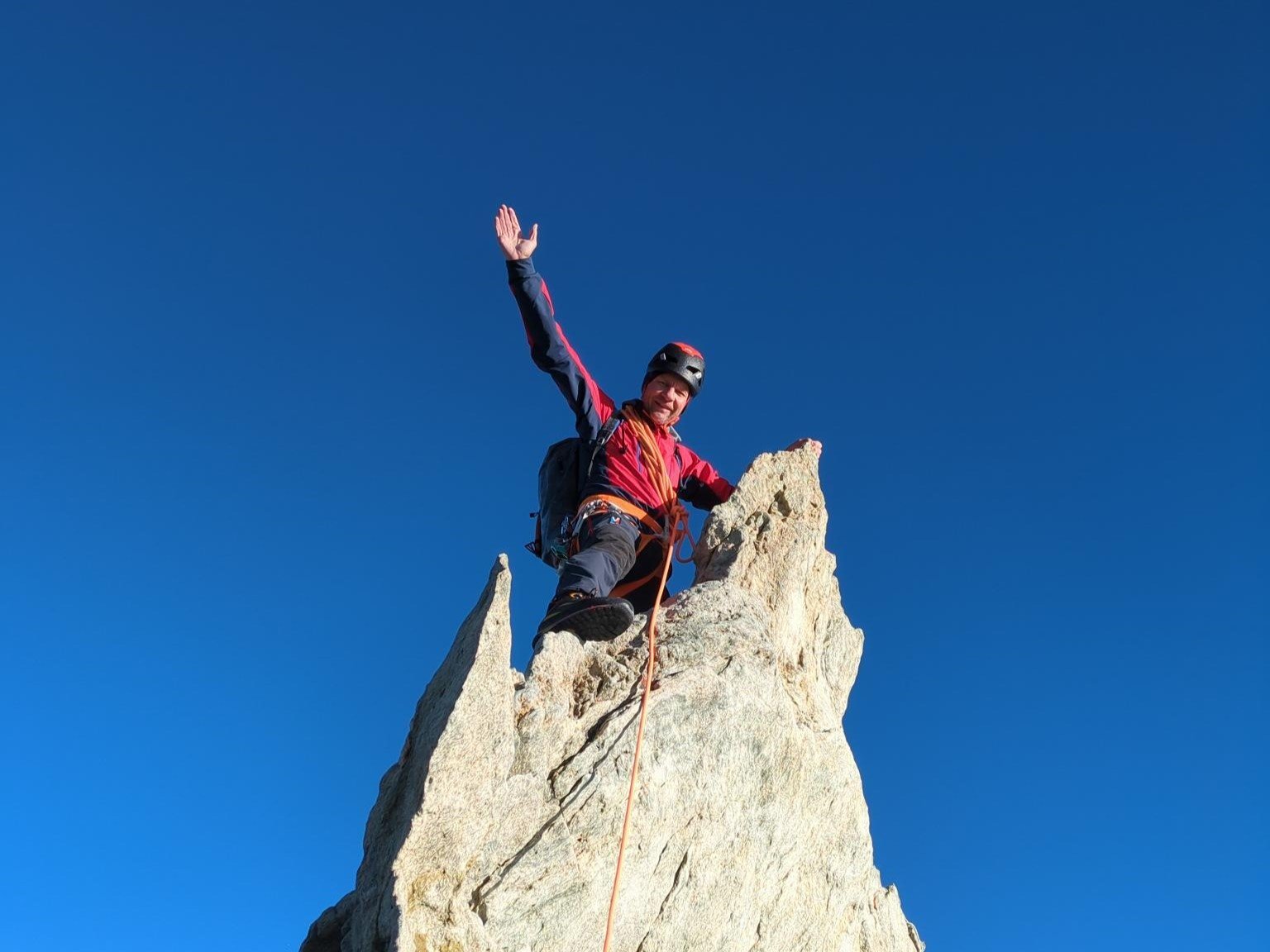
The Art of Team building


Interview with the CEO of Outdoor Switzerland
In an interview with Johann Kaufmann, the experienced mountain guide and managing director of Outdoor Switzerland, we dive into the world of mountain adventures and entrepreneurship. Johann shares his insights into the differences and parallels between his work as a mountain guide and his role as an entrepreneur.
He also explains why, despite his business commitments, he always finds time to explore the mountains. We learn why he considers team-building events in the mountains particularly effective and how he deals with the challenges of being part of a rope team.
1. Can you give us an insight into your work as a mountain guide and your role as managing director of Outdoor Switzerland?
“As a mountain guide, my focus is on guiding people safely through nature and providing them with unforgettable experiences. I care about their safety, well-being, and the quality of their time in the mountains.
As managing director of Outdoor Switzerland, I carry a different kind of responsibility for the company. I focus primarily on strategic matters and business development. Together with our teams, we ensure that our company runs smoothly and that we offer our clients top-quality outdoor experiences.
Despite the different roles, my goal in both is to inspire and empower people to enjoy nature and push beyond their limits.”
2. How does your work as CEO of Outdoor Switzerland differ most from your work as a mountain guide?
“As managing director, I share a greater responsibility for the company together with my team. As a mountain guide, the focus is on the safety and well-being of my clients in nature.”
3. Are there any parallels between your work on the mountain and your work as a managing director?
“Absolutely. Both in the mountains and in business, teamwork is essential. In addition, both roles require good planning, flexibility, and the ability to stay calm in challenging situations.”

4. Why do you think a team building event should take place in the mountains, and what is the difference compared to a similar event in the valley?
“A team-building event in the mountains offers a unique setting that brings numerous benefits to team dynamics. First, nature provides a break from everyday life and creates space for reflection and new perspectives. The physical challenge of mountaineering promotes teamwork, trust, and cohesion in a way that’s hard to achieve in an office environment.
Additionally, the mountains often come with challenges that force the team to find solutions together, which strengthens both bonding and problem-solving abilities.
While a team-building event in the valley can also be effective, it doesn’t offer the same intensity or the specific challenges of a mountain setting. Nature in the valley often lacks the same opportunities for self-reflection and may not be as free from distractions as the mountains. Also, the aspect of physical challenge – so central in the mountains – is often missing.”
5. Despite the heavy workload as managing director, why do you still find the time to occasionally work as a mountain guide?
"Die Arbeit am Berg ist meine Leidenschaft und gibt mir die nötige Auszeit vom anstrengenden Alltag als Geschäftsführer. Ausserdem halte ich es für wichtig, meine Fähigkeiten als Bergführer aufrechtzuerhalten und meine Begeisterung für die Natur zu teilen. Für mich ist es elementar, trotz vielen Bürostunden, selbst an der Front zu sein und den Puls der Gäste zu fühlen. Wir verkaufen, was wir Leben, und dieses Leben können wir nur draussen spüren."
6. In your opinion, what are the most important prerequisites for a rope team to function harmoniously?
“A harmonious rope team is built on trust, communication, and mutual respect. Everyone must be able to rely on one another and communicate clearly to achieve common goals. The weakest member in a rope team on the mountain is the strongest in the team. Only with this consideration can everyone reach the summit.”
7. How can you quickly assess the strengths and weaknesses of your climbing partners?
“An important step is to communicate openly and honestly with one another. Observing behavior and reactions in different situations often provides insight into strengths and weaknesses.”
8. How do you deal with difficult teams/constellations?
“In difficult rope teams, it is important to stay calm and to look for constructive solutions. Open communication and mutual understanding help to resolve conflicts and restore trust. Paths in a rope team only come into being by walking them together.”

Managing Director at OUTDOOR and Mountain Guide